
- Up to 30% off
EcoFlow
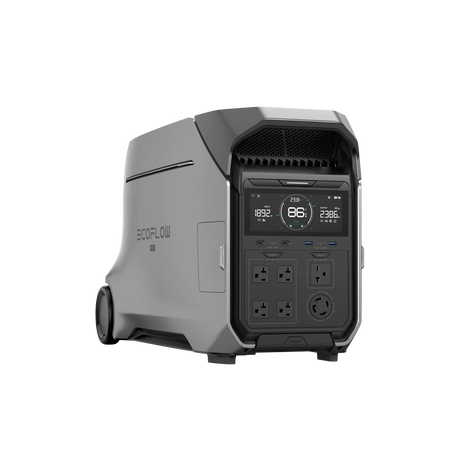
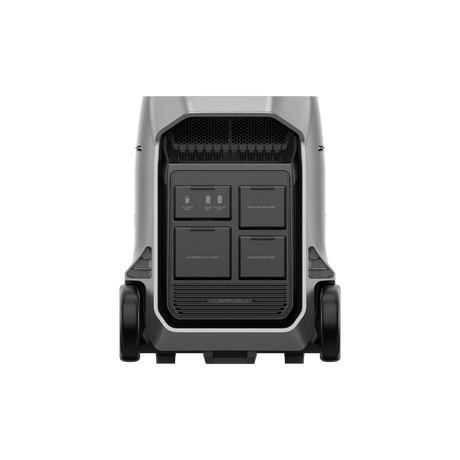
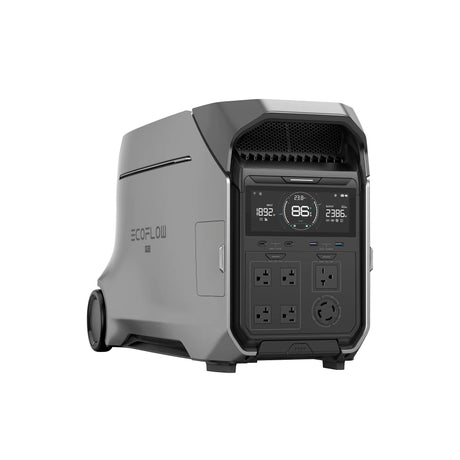
EcoFlow DELTA Pro 3 Portable Power Station
From $2,599.00$3,699.00Unit price /Unavailable -
What Are Portable Power Stations?
Portable power stations are compact, rechargeable units designed to deliver clean and quiet off-grid power anywhere you need it. Unlike traditional gas generators, these devices store energy in built-in lithium solar batteries and convert it to AC or DC power on demand—without fumes, noise, or maintenance hassles.
Paired with solar panels, they become portable solar generators, ideal for camping, RVs, emergencies, and outdoor work. Whether you're powering essential devices during a power outage or running equipment at a remote job site, a portable power station keeps you connected.
How Do Portable Power Stations Work?
Portable power stations work as self-contained solar battery packs that store electrical energy for later use. Inside each unit, high-capacity lithium cells hold a charge until you need it. When you plug in a device, the built-in portable inverter converts stored DC power into usable AC electricity—the same type that powers your home.
You can recharge these camping power stations through multiple methods, including:
- Standard wall outlets
- Car chargers
- Solar panels
Solar charging transforms them into a truly renewable off-grid power supply, capturing free energy from the sun and storing it for whenever you need backup power.
Modern units feature advanced battery management systems that prevent overcharging, regulate temperature, and maximize battery life. Many models include multiple output ports—AC outlets, USB connections, and DC ports—allowing you to power everything from smartphones to mini-fridges simultaneously. LCD displays show remaining capacity, input/output wattage, and charging status at a glance.
Benefits of Portable Power Stations
Portable power stations offer several benefits beyond simple convenience. Here's why thousands of outdoor enthusiasts, homeowners, and professionals choose these solar power solutions:
1. Clean, Reliable Power Anywhere
Unlike gas generators that produce harmful emissions, portable power stations deliver zero-emission electricity. They're perfect for campsites with noise restrictions, indoor use during emergencies, or any situation where clean air matters. With no fuel to spill or exhaust to ventilate, you get portable backup power without environmental compromise.
2. Silent, Safe, and Indoor-Friendly
At 70+ decibels, traditional generators are louder than a vacuum cleaner. On the other hand, portable power stations operate in near silence. This makes them ideal for nighttime camping, tailgating, or home backup. Their enclosed design eliminates fire risks associated with fuel storage, and built-in safety features protect against short circuits and overloads.
3. Solar Charging for Unlimited Energy
When you connect compatible solar panels, your portable power station transforms into a self-sustaining solar system. This solar charging capability means you're never dependent on outlets or fuel supplies. During extended camping trips or prolonged power outages, the sun becomes your unlimited power source.
4. Easy to Use and Eco-Friendly
Simply charge, plug in, and power on—no pull cords, oil changes, or spark plug replacements required. Portable power stations require virtually zero maintenance. By choosing solar power over fossil fuels, you're investing in cleaner energy for yourself and future generations.
How to Choose the Right Portable Power Station for Your Needs
Choosing the right portable power station requires matching specifications to your specific use case. Consider these essential factors before purchasing:
- Capacity (Wh). Calculate your daily power needs by adding up device wattages and estimated run times. A 500Wh unit handles phones and laptops, while 1000-2000Wh models power small appliances. However, for whole-home backup power solutions, consider high-capacity systems or solar battery kits.
- Output power (W). Check the continuous wattage rating against your highest-draw devices. A camping power station for basic electronics needs 300-500W, while running power tools or kitchen appliances requires 1500-3000W. Always account for startup surge requirements.
- Solar input capability. Higher solar input ratings mean faster recharging. Look for units accepting 200W+ solar input for efficient off-grid power supply replenishment. Verify compatibility with your existing or planned solar panel setup.
- Portability vs. capacity. Larger batteries mean more capacity but added weight. Compact 20-pound rechargeable power stations suit backpacking, while 50+ pound ones work better for car camping and RV use. Consider handles, wheels, and carrying cases.
- Output variety. Ensure sufficient AC outlets, USB-A/USB-C ports, and DC outputs for your devices. Fast-charging USB-C ports (100W+) rapidly charge modern laptops and phones.
Portable Power Stations FAQ
1. What's the difference between a portable power station and a gas generator?
Portable power stations store energy in batteries and produce zero emissions, noise, or fumes. On the other hand, gas generators burn fuel continuously. Also, power stations require no maintenance, work indoors safely, and recharge via different methods, including solar panels.
2. Are portable power stations hard to use?
Not at all. Simply charge the unit, press the power button, and plug in your devices. No assembly, fuel mixing, or technical knowledge required. Most of these battery-powered generators feature intuitive displays showing battery level and power consumption in real time.
3. Are portable solar power stations worth it?
Absolutely. They provide portable backup power, eliminate fuel costs, and offer unlimited free energy when paired with solar panels. For camping, emergencies, and with no access to the power grid, the convenience, safety, and long-term savings make portable power stations an excellent investment.
4. What can a 2000W portable power station run?
A 2000W unit can power most household appliances, including refrigerators, microwaves, power tools, CPAP machines, TVs, and multiple small electronics simultaneously. It's sufficient for essential home backup during outages or off-grid camping setups.